
Case Study: Captain Smit Machchhar and Flydubai FZ1073
How a wounded captain, an opened cockpit door and the people on board brought a Boeing 737 MAX down safely after an attack in the cockpit.
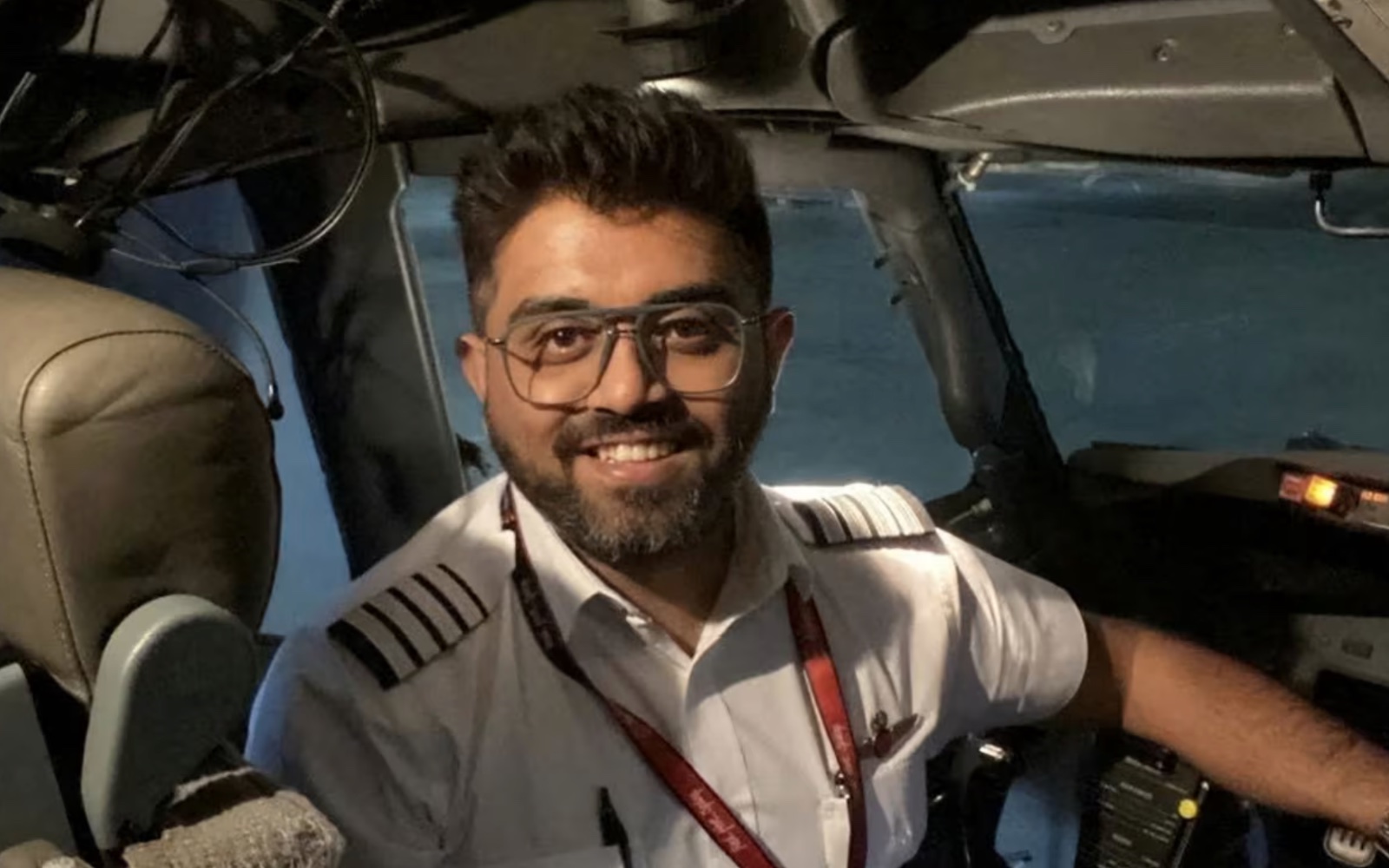
On September 30, 2026, flydubai flight FZ1073, a Boeing 737 MAX 8 flying from Dubai to Tel Aviv with more than 170 people on board, was diverted to Tabuk in north-western Saudi Arabia after the captain was attacked in the cockpit by his co-pilot. The captain, Smit Machchhar, was stabbed and seriously injured. Everyone on board survived.
The UAE’s aviation regulator is investigating. This account is drawn from public reporting, and details may change as the investigation proceeds.
What happened
- The attack. Over Jordan, the co-pilot attacked Captain Machchhar in the cockpit and stabbed him while he fought back.
- The descent. During the struggle the aircraft dropped from about 34,000 feet to below 17,000 feet.
- The door. The cockpit door was opened during the struggle. Passengers and cabin crew rushed in and restrained the attacker.
- The landing. Two pilots travelling as passengers took the controls and made an emergency landing at Tabuk.
- The captain. Machchhar was taken to hospital in Tabuk and underwent surgery.
The captain
Machchhar, 39, is from Mumbai and is a father of two. He trained in New Zealand, spent eleven years at SpiceJet as a senior commander and Line Training Captain, and joined flydubai as a direct-entry captain in June 2022. He has about 9,750 flying hours on the Boeing 737.
What went right
- He fought. Wounded and alone with an armed attacker in a locked space, he resisted. That bought the seconds the aircraft needed.
- Help got in. The cockpit door is built to keep a threat out. Here the threat was already inside, and an open door is what let help reach him.
- People acted together. Passengers and crew moved at once. One person rarely controls a determined attacker. Several people committing at the same moment usually can.
- Capability was on board. Two qualified pilots happened to be passengers. That was luck, but it shows the value of knowing what skills are around you.
- The crew. Machchhar has since credited the cabin crew: “When things are going wrong, you need them.”
Lessons for families and principals
- Insider threat is real. The most serious threats often come from people with trusted access: staff, drivers, crew and contractors. Vetting at hire matters, and so does staying alert to changes in behavior afterward.
- Some places have no exit. Aircraft, vehicles, vessels and single-entrance rooms leave no room to run or hide. Plan for them separately. We cover this in Run, Hide, Fight When There Is Nowhere to Run.
- Medical readiness. A stab wound at altitude is survivable if the bleeding is controlled until landing. Know where trauma kits are, carry one in vehicles and at home, and take a bleeding-control course.
- Train everyone who travels. Companies send staff onto commercial flights every week with no security support. Any of them could be the passenger nearest the door.
- Ask about your crews. On private and charter flights, ask how pilots and crew are vetted, rested and paired.
The outcome on FZ1073 came down to a captain who kept fighting and the people who acted when the door opened. Most of what made that possible can be planned for in advance.